
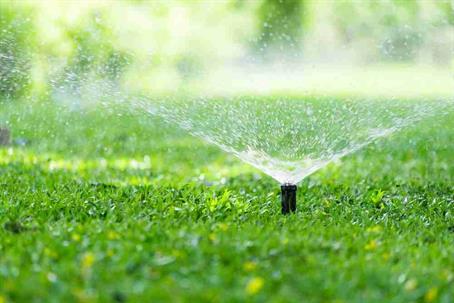
Designing Your Own Sprinkler System
Designing Your Own Sprinkler System
Designing a sprinkler system is a crucial step toward maintaining a lush, healthy lawn throughout the year. A well-designed sprinkler system not only ensures efficient water usage but also saves you time and effort in lawn maintenance. This comprehensive guide will walk you through the essential steps in designing your own sprinkler system, making the process straightforward and manageable.
Sprinkler systems have evolved significantly since their early days, offering more advanced features and user-friendly designs. These systems play a vital role in landscaping and home gardening, providing consistent hydration to plants and grass. Knowing how to design a sprinkler system can help you achieve a green, vibrant landscape without the need for manual watering.
From evaluating your lawn to determining water pressure and flow rates, you’ll find the information needed to tailor a sprinkler system to your specific needs. Whether you’re a seasoned gardener or a novice, designing your own sprinkler system can be a rewarding and effective way to enhance your outdoor space.

Assessing Your Landscape and Irrigation Needs
Understanding the specific characteristics of your landscape and the requirements for your irrigation system is crucial for efficient water use and healthy plant growth.
Evaluating Soil and Vegetation Types
Identifying the soil type is a fundamental step. Different soils such as sandy, clay, and loamy have unique water retention properties. Sandy soil drains quickly, needing more frequent watering. Clay soil retains water longer but can lead to waterlogging. Loamy soil balances water retention and drainage, making it ideal for most plants.
Assess the types of plants and grass in your landscape. Some plants, like succulents and certain grasses, are drought-tolerant, requiring less water. In contrast, plants like ferns and lawns with Kentucky bluegrass need consistent moisture. Knowing these characteristics helps tailor the irrigation schedule.
Zone Mapping and Sprinkler Selection
Divide your landscape into zones based on the water needs of different areas. For instance, flower beds, lawns, and shrub zones often require distinct watering schedules and amounts. This step ensures that each area gets the optimal amount of water without wastage.
Choose the right sprinkler heads for each zone. Rotating sprinkler heads are suitable for large areas like lawns, providing even coverage. A drip home irrigation system works well for individual plants or garden beds, minimizing water loss. Fixed spray heads can cover smaller, uniform areas efficiently.
Sprinkler system design should be more than just guess work. Proper planning and selecting appropriate equipment can make a tremendous difference in the efficiency and effectiveness of your DIY sprinkler system.
Designing the Sprinkler System
Designing an efficient sprinkler system requires precise hydraulic calculations and thoughtful component selection to ensure optimal water distribution and coverage.
Hydraulic Calculations
Hydraulic calculations are essential for understanding the water pressure and flow rate needed for your home irrigation system. Start by measuring static and dynamic pressure at the water source. Static pressure is the water pressure when no water is flowing, while dynamic pressure is measured while water is flowing.
Next, determine the water flow rate using a simple test. For instance, place a 5-gallon bucket under a tap and record how long it takes to fill. Calculating gallons per minute (GPM) helps in sizing your sprinkler system correctly. A formula often used is:
GPM = (5 gallons / Time in seconds) x 60
By using these calculations, one can ensure that the chosen sprinklers and piping match the available water supply, which prevents issues like low pressure or inadequate water coverage.
Component Selection and Layout
Choosing the right components and designing an efficient layout are crucial steps. Select sprinkler heads based on the watering needs of different zones in your yard. For example, rotor sprinklers are suitable for large lawns, while drip lines can be ideal for garden beds.
Divide your yard into zones to ensure even water distribution. Each zone should have similar water requirements and be controlled by a different valve. This helps in customizing the watering schedule and preventing over or under-watering.
When designing the layout, sketch the area on graph paper, marking the placement of each sprinkler and zone. Ensure overlapping coverage to avoid dry patches. Place sprinklers in a pattern that ensures their spray radii intersect, commonly in triangles or squares, to maximize efficiency. The best sprinkler systems are designed to deliver water precisely where it’s needed.
Properly planned, this layout will make maintenance easier and ensure uniform water distribution throughout your garden or lawn.
Installation and Fine-Tuning
Proper installation and fine-tuning are crucial to ensure your sprinkler system operates efficiently. The process involves meticulous planning, digging trenches, and installing pipes and valves. Testing the system and making necessary adjustments are pivotal for optimal performance.
Sprinkler Installation Guide
In the beginning, map out the irrigation system on a drawn-to-scale layout of the lawn. This helps in identifying the exact spots for digging trenches and setting up the pipes. Using a 100-foot tape measure can assist in creating this layout accurately.
Step 1 Digging Trenches: Dig trenches as per the layout, ensuring they are deep enough for the pipes and valves. Typically, trenches should be about a foot deep.
Step 2 Installing Pipes: Lay the pipes in the trenches, connecting them securely with couplings. Ensure that all pipe connections are tight to avoid leaks.
Step 3 Valve Installation: Install zone valves at the designated locations. Place the valve box into a hole lined with gravel to aid drainage and keep the valves accessible.
System Testing and Troubleshooting
After installation, initial testing of the sprinkler system is essential. This first test helps identify any potential issues such as leaks or incorrect water pressure. Adjustments will need to be made to ensure proper operation.
Steps 1 Initial Testing: Turn on the system and check each zone for proper water flow and coverage. Ensure that all sprinkler heads are functioning as expected.
Step 2 Adjustments: Adjust the height and angle of the sprinkler heads to achieve uniform coverage. Check for any leaks in the pipe connections and tighten them if necessary.
Step 3 Maintenance: Regularly inspect the system for wear and tear. Replace any damaged components promptly to maintain efficiency.
Consistent monitoring and adjustments will ensure that the sprinkler system operates smoothly and provides adequate irrigation to your lawn.
Sustaining Your Sprinkler System
Ensuring the longevity and efficiency of your sprinkler system involves both regular maintenance and sometimes seeking professional support. Consistent care prevents issues and keeps the system running smoothly.
Ongoing Maintenance Strategies
Regular maintenance is crucial for a reliable sprinkler system. Inspecting sprinkler heads for damage or debris is a must. Clogged or misaligned heads can result in uneven watering. Clean or replace any problematic components to ensure even coverage.
Checking for leaks in the piping and connection points helps in avoiding water waste. Look for soggy areas in your lawn that might indicate a hidden leak. Addressing minor issues early prevents costly repairs in the future.
Adjusting the timing and scheduling of your sprinkler system can keep your lawn healthy. Different seasons require different watering schedules. Adjust your system to water in the early morning to minimize evaporation and water loss.
Winterizing the system is essential to prevent freezing and cracking of pipes. Drain all water from the system and blow out any remaining water using compressed air. This protects the components from weather-related damage.
Get Professional Services and Support From J Bell Services
For complex issues, professional services provide essential support. J Bell Services offers expert maintenance and repair services. Our technicians can handle sophisticated problems that might be beyond DIY capabilities.
Our professional services include system audits. These audits assess the efficiency of your current system, making recommendations for improvements or upgrades. An audit can identify areas where water usage can be optimized, saving both resources and money.
Scheduled service contracts with professionals can provide peace of mind. Regular visits from a professional ensure ongoing maintenance and timely repairs. This proactive approach keeps your sprinkler system in peak condition throughout the year.
Emergency repair services are another critical aspect of professional support. We provide quick responses to urgent problems, preventing further damage or extensive water waste. Having a professional contact ready can be a lifesaver during unexpected issues.
Contact us for any and all sprinkler-related needs. We’re here for you!