
Finding Those Hidden Sprinkler Lines
Hidden Sprinkler Lines
Understanding the location of buried sprinkler lines is crucial for any homeowner or landscaper. These lines are an essential part of your residential irrigation system, ensuring that your yard remains lush and green throughout the seasons. Proper knowledge can also save costs and prevent damage when undertaking other yard work or renovations.
Knowing exactly where your sprinkler lines are located, and how deep the sprinkler lines are, helps avoid accidental damage during gardening or construction activities. To find these lines, it’s important to have a clear understanding of your sprinkler system’s design and layout. While professional residential irrigation service from J Bell Services is always an option, there are several steps homeowners can take to locate sprinkler lines themselves.
One practical method to uncover hidden sprinkler lines is by carefully digging around known sprinkler heads and tracing the pipelines. Additionally, consulting original installation plans or using specialized tools like valve locators can be highly effective. These steps not only safeguard your irrigation system but also contribute to efficient and effective yard maintenance.
Understanding Your Sprinkler System
Sprinkler systems have several key components that work together to deliver water efficiently through a network of lines. The main components and the flow of water through these lines are critical for the system’s operation.
Components and Functionality
A typical sprinkler system includes several components:
- Controller: This is the brain of the system. It schedules and controls when sprinklers turn on and off.
- Valves: These control the flow of water to different zones.
- Pipes: These distribute water from the source to the sprinklers.
- Sprinkler Heads: These disperse water evenly over the landscape.
- Backflow Preventer: Ensures that water does not flow back into the main water supply.
Each component has a specific role. For instance, the controller determines the watering schedule, while the valves manage which zones receive water. Proper installation and maintenance of these components ensure efficient water usage and system longevity.
Sprinkler Lines and Water Flow
Sprinkler lines transport water from the main source to individual sprinkler heads. These lines are typically buried underground and made of durable materials like PVC or polyethylene.
When the controller activates a zone, the valve opens, and water flows through the pipes to the sprinkler heads. The pressure in the lines must be sufficient to ensure even distribution.
Regular inspection of these lines is crucial. Any damage or blockage can affect water flow and reduce efficiency. Identifying and repairing issues promptly helps maintain optimal system performance.
Sprinkler lines are an essential part of the sprinkler system, playing a vital role in water distribution.
Locating Sprinkler Lines: How to Find Buried Sprinkler Lines
It is essential to determine the precise location of sprinkler lines to avoid damaging them during yard work. Whether employing visual clues, manual techniques, or advanced technology, each method offers unique advantages and challenges.
Visual Clues and Initial Assessments
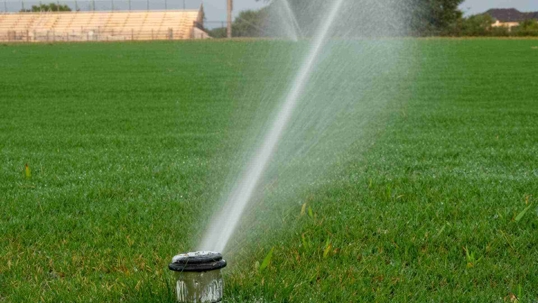
Start by looking for visible indicators like sprinkler heads, which often mark the line’s path. Dry spots in the lawn can also signal areas where irrigation is lacking, pointing towards potential line locations. Another way is to look for areas where the grass is greener or growing more vigorously as it indicates nearby water sources. Noting these clues helps in forming an initial assessment.
Manual Search Techniques
Manual probing involves using thin rods or stakes to gently penetrate the ground to locate buried pipes. This method requires effort and precision to avoid damaging the lines. Another approach is a systematic digging technique where small holes are dug along the suspected path. Severe caution is needed to ensure no damage occurs, especially considering typical sprinkler line depths of 6-12 inches.
Technological Aids in Line Detection
Modern technology simplifies locating sprinkler lines. Sprinkler locators emit a signal that the pipe reflects, allowing an operator to track the path. Ground-penetrating radar (GPR) presents another high-tech option, providing images of what lies beneath the ground. Both methods offer higher accuracy compared to manual techniques and are particularly useful for more extensive or complex irrigation systems.

Sprinkler Line Troubleshooting and Maintenance
Effective sprinkler line maintenance ensures a healthy, vibrant lawn and minimizes costly repairs. It’s essential to follow preventive steps and address common issues swiftly.
Preventive Maintenance Steps
Regular inspections are crucial. Inspect the system monthly for leaks, broken heads, or low-pressure zones. Maintain clear sprinkler heads by cleaning them and removing obstructions. Seasonal adjustments involve switching to appropriate watering schedules based on changing weather conditions.
Winterizing the system in cold climates prevents freezing and damage. Before winter, drain the lines and blow out any remaining water. Use antifreeze to protect the system in severe conditions. Maintaining a regular check on the pressure regulator and filters will prevent debris build-up.
Identifying and Solving Common Problems
Leaks are a frequent issue. Check for puddles or unusually green patches, which indicate underground leaks. Repair by locating the leak and replacing the damaged section of pipe or fittings.
Low pressure zones occur due to blockages or faulty pressure regulators. Inspect and clean any clogged heads and check for any obstructions in the lines. Adjust the pressure settings or replace faulty regulators.
Sprinkler heads can break due to impact or wear. Identify damaged heads and replace them promptly to ensure uniform water distribution. Regularly check control valves and ensure they are responsive and properly sealed. If electric valves are not working, inspect the wiring for any disconnections or shorts.
Guidance for Comprehensive Sprinkler Line Care
Proper maintenance of sprinkler lines involves precise steps and often professional help when the task becomes too complex. Careful yard preparation and employing the right tools are essential for success.
Step-by-Step Guide to Finding Sprinkler System Lines
The steps to locate sprinkler lines begin by preparing your yard, marking areas where sprinkler lines are likely buried. Clear debris from the path to ensure there are no obstructions.
Employing tools like a valve locator or metal detector helps in pinpointing the exact location of the lines. Begin by locating the main valve box, often situated near the water meter or close to the house. Mark these spots clearly using flags or chalk.
Proceed to dig carefully along the marked lines, using a shovel or trowel. Always dig with caution to avoid damaging underground pipes. A systematic approach reduces the risk of missing or damaging any lines.
Contacting Professionals for Complex Situations
For exceptionally challenging scenarios, it may be prudent to seek professional assistance. Experts at J Bell Services can provide accurate and efficient solutions, especially when the sprinkler layout is complex or not documented.
Our professionals have advanced tools and experience, ensuring that lines are found without causing damage. Contact us if you encounter difficulty locating lines or if the system is extensive. Reliable service helps to maintain the integrity and functionality of your irrigation system.
Remember, proper maintenance not only improves irrigation efficiency but also extends the lifespan of your sprinkler system!