
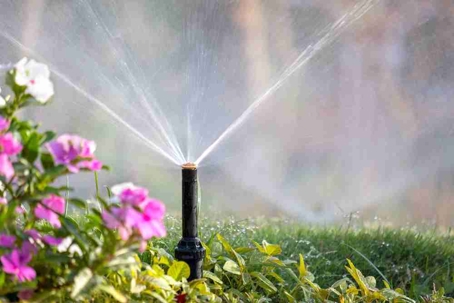
How Deep Are Sprinkler Lines? Essential Depth Guidelines Explained
How Deep Are Sprinkler Lines?
Sprinkler systems are crucial for maintaining lush, green lawns, but one common question homeowners face is about the depth of their sprinkler lines. Typically, sprinkler lines are buried between 8 to 12 inches below the surface. This depth ensures that the lines are protected from physical damage while allowing efficient water distribution.
Understanding the depth is essential for planning any digging or landscaping projects in your yard. Digging too deep or too shallow can result in damaged lines, leading to costly repairs and inefficient irrigation. Properly installed sprinkler lines help maintain a healthy lawn and garden, ultimately saving water and reducing utility costs.
Homeowners can verify the depth of their sprinkler lines using specific tools or by consulting a professional. Accurate knowledge of the sprinkler line depth not only prevents damage but also prolongs the lifespan of the irrigation system. If your sprinkler system is not working properly, visit this sprinkler repair to schedule an appointment with J. Bell Services.

Understanding Sprinkler System Installation
Sprinkler system installation involves choosing the right type of system and materials. These decisions impact the efficiency and longevity of the system.
Types of Sprinkler Systems
Sprinkler systems can be categorized into above-ground and in-ground systems. Above-ground systems are easier to install and typically used for smaller areas. They consist of hoses and portable sprinklers connected to a water source.
In-ground systems are more complex. They require trenching to place pipes underground. These systems provide even water distribution and are ideal for large, landscaped areas. They include rotor heads, spray heads, and drip irrigation. Rotor heads cover large areas with rotating streams of water, while spray heads are stationary and cover smaller areas. Drip irrigation systems deliver water directly to the soil near plants’ roots. You can learn about the different types of irrigation by visiting this irrigation systems URL.
Materials Used for Sprinkler Pipes
Materials for sprinkler pipes vary based on system requirements and soil conditions. Common materials include PVC (polyvinyl chloride) and polyethylene pipes. PVC pipes are rigid, durable, and used in in-ground systems. They are resistant to chemicals and can handle high water pressure.
Polyethylene pipes are more flexible and often used in above-ground systems. They are resistant to cracking and can tolerate freezing temperatures. Copper and galvanized steel were previously common, but their use has declined due to higher costs and the potential for corrosion.
Selecting the right material ensures the system’s longevity and efficiency.
Determining the Depth of Sprinkler Lines
Identifying the appropriate depth for sprinkler lines is crucial for their effective operation and protection from damage. Several factors need to be considered, including soil type, climate, and local regulations.
Factors Influencing Depth
The depth of sprinkler lines can vary widely based on external conditions. Soil type is a major determinant; sandy soils may require deeper lines to prevent erosion, while clay soils might be more stable.
Climate also plays a significant role. In regions with colder winters, lines need to be buried below the frost depth to prevent freezing and bursting. Local regulations and codes often specify minimum depths to ensure safety and efficacy.
Standard Depth Guidelines
Generally, residential sprinkler lines are buried at a depth of 6-12 inches. For commercial installations, the depth may be slightly deeper, around 12-18 inches.
These depths ensure that the lines are protected from everyday wear and tear, as well as possible environmental damage. In areas with heavy foot traffic or frequent landscaping activities, deeper installation can offer additional protection.
It’s essential to consult local building codes and climate data to determine the most appropriate depth for specific areas.
Installation Best Practices
When installing sprinkler lines, proper trenching techniques and maintaining line depth consistency are crucial for a durable and efficient system.
Trenching Techniques
Trenching is a critical step. The trench should be dug to a uniform depth of at least 8-12 inches to protect the lines from surface damage and seasonal temperature changes.
Tools Needed:
- Shovel or trenching machine
- Tape measure
- Marking paint or flags
Steps:
- Mark the Area: Use marking paint or flags to outline the path of the sprinkler lines.
- Dig the Trench: Use a shovel or trenching machine, ensuring a consistent depth of at least 8-12 inches.
- Check the Depth Regularly: Use a tape measure to verify depth frequently.
Creating clean, straight trenches ensures the sprinkler lines are protected and laid out efficiently, which helps avoid future maintenance issues.
Line Depth Consistency
Consistent line depth is vital for the longevity of sprinkler systems. Lines that vary in depth are more vulnerable to damage and uneven water distribution.
Best Practices:
- Measure Regularly: Continuously check the depth as you lay each section of the line.
- Use Uniform Markers: Place consistent markers at regular intervals to maintain the planned depth.
- Avoid Sharp Bends: Sharp bends can lead to weak points and inconsistent pressure.
A consistent depth of at least 8-12 inches ensures the sprinkler lines are protected from physical damage and varying temperature effects, optimizing the system’s efficiency and lifespan.
Maintenance and Troubleshooting
Ensuring the longevity and performance of sprinkler systems involves regular maintenance and addressing common issues promptly.
Regular Maintenance Procedures
Sprinkler systems require periodic inspections to ensure they operate efficiently. Monthly checks should include verifying that sprinkler heads are not obstructed by debris, dirt, or vegetation. Cleaning the heads with a soft brush can prevent blockages.
Quarterly inspections should involve testing the water pressure. A pressure drop could indicate leaks or clogs. It’s also important to inspect piping for any signs of wear or corrosion.
Annual maintenance includes a thorough system flush to remove any sediment buildup. This process helps maintain optimal water flow. Additionally, inspecting control valves and electronic components ensures they function properly, avoiding potential breakdowns.
Identifying and Fixing Common Issues
Leaks and clogs are common problems in sprinkler systems. Identifying leaks can be done by checking for unusually wet areas on the lawn or spikes in water bills. Repairing leaks typically involves replacing damaged sections of pipe or tightening loose connections.
Clogs can be diagnosed through weak water pressure or uneven water distribution. This often requires cleaning or replacing sprinkler heads. Sometimes, sections of the line may need to be flushed to remove internal blockages.
Electronic malfunctions can also occur. Checking the control panel for error messages and ensuring the timer settings are correct can resolve many issues. If problems persist, consulting a professional technician from J. Bell Services is advisable. These steps maintain system efficiency and prevent costly repairs.