
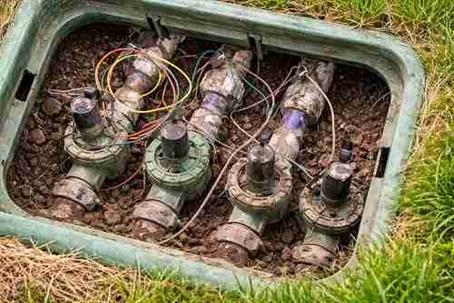
What Causes Sprinkler Valves to Fail?
A well-functioning sprinkler system relies heavily on its valves to control the flow of water to different zones in your landscape. When sprinkler valves fail, the entire irrigation system can become inefficient, leading to dry patches, overwatering, or complete system failure. Understanding what causes sprinkler valves to fail can help homeowners and property managers prevent costly repairs and maintain a healthy, well-watered lawn.
What Is a Sprinkler Valve and Why Is It Important?
Sprinkler valves act as the control center of your irrigation system. They regulate when and where water flows based on signals from your controller. Each valve typically corresponds to a specific zone, ensuring that different areas of your lawn receive the right amount of water. When a valve malfunctions, it can either restrict water flow or allow continuous watering—both of which can damage your landscape and increase water bills.
Common Causes of Sprinkler Valve Failure
1. Dirt and Debris Buildup
One of the most common causes of sprinkler valve failure is the accumulation of dirt, sand, or debris inside the valve. Over time, these particles can interfere with the valve’s internal components, preventing it from opening or closing properly. Signs of this issue include:
- Valves not turning on
- Valves not shutting off completely
- Irregular water flow in certain zones
Routine cleaning can help prevent buildup and extend the lifespan of your valves.
2. Worn-Out Diaphragm
The diaphragm is a flexible rubber component inside the valve that controls water flow. With regular use, this part can wear out, crack, or become brittle. When the diaphragm fails, you may notice:
- Constant water flow even when the system is off
- Reduced pressure in certain zones
- Inconsistent irrigation performance
Replacing the diaphragm is often a cost-effective solution compared to replacing the entire valve.
3. Electrical Issues (Solenoid Failure)
Each sprinkler valve is equipped with a solenoid—an electrical component that receives signals from the controller to open or close the valve. Common electrical issues include:
- Burnt-out solenoids
- Loose wiring connections
- Power supply interruptions
When the solenoid fails, the valve may not respond to your system’s commands, leaving zones dry or stuck in an “on” position.
4. High Water Pressure
Excessively high water pressure can strain your sprinkler system, including the valves. Over time, this pressure can damage internal components and lead to premature failure. Symptoms of high pressure include:
- Leaking valves
- Loud banging or water hammer noises
- Frequent component breakdowns
Installing a pressure regulator can help protect your system.
5. Improper Installation
Incorrect installation is another major cause of valve failure. If valves are installed at the wrong angle, not sealed properly, or connected with incompatible components, problems can arise early on. Poor installation can lead to:
- Leaks at connection points
- Reduced efficiency
- Shortened lifespan of the valve
Professional sprinkler repair ensures that all components are aligned and functioning correctly from the start.
6. Age and General Wear
Like any mechanical component, sprinkler valves have a limited lifespan. Over time, exposure to water, pressure, and environmental conditions will naturally degrade the materials. Older valves are more prone to:
- Cracking
- Internal wear
- Reduced responsiveness
If your system is several years old, valve failure may simply be due to aging.
7. Corrosion and Mineral Buildup
In areas with hard water, mineral deposits can accumulate inside the valve. Corrosion may also occur in metal components, especially in older systems. This can result in:
- Blocked water flow
- Stiff or stuck valve parts
- Reduced efficiency
Regular maintenance and inspections help minimize these effects.
We Are J Bell Services
We understand how critical each component of your irrigation system is, especially the valves that control water distribution. When these parts fail, it can disrupt your entire landscape and lead to unnecessary expenses. We are J Bell Services, and we provide professional sprinkler system diagnostics, valve repair, and maintenance services. Ensuring that your system operates efficiently is essential for maintaining a healthy and visually appealing outdoor space.
Final Thoughts
Sprinkler valve failure is a common issue, but it is often preventable with proper care and maintenance. Whether the cause is debris buildup, electrical malfunction, or simple wear and tear, identifying the problem early can save time and money. A well-maintained irrigation system not only keeps your lawn healthy but also improves water efficiency and reduces long-term costs. Taking the time to understand and address valve issues will ensure your sprinkler system continues to perform at its best.